TH10 War Base Anti 2 Star – Funnel Resistance #24
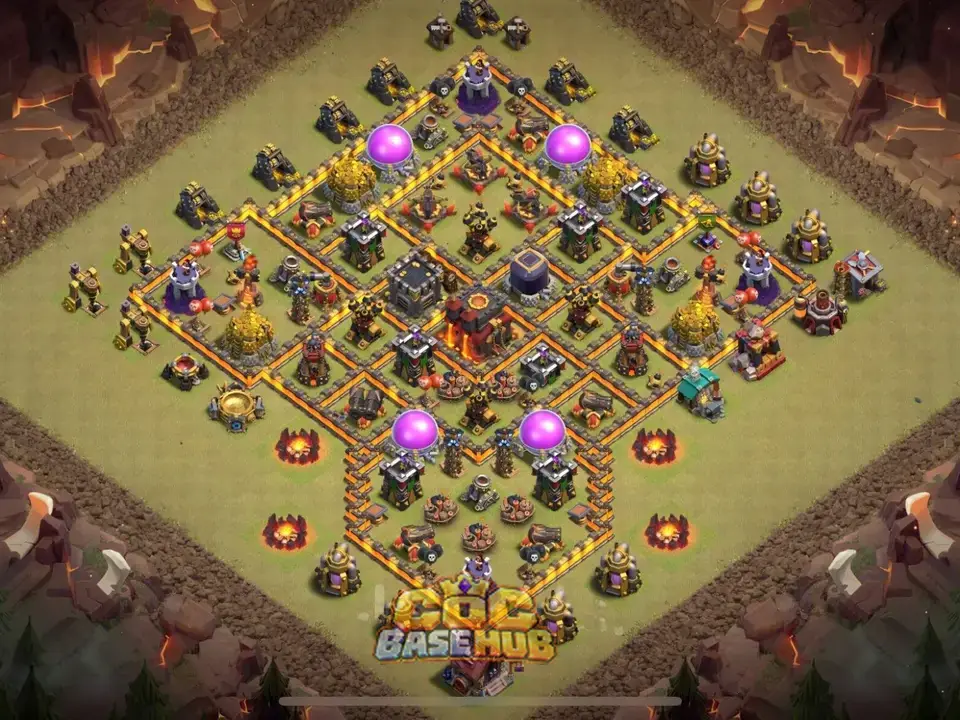
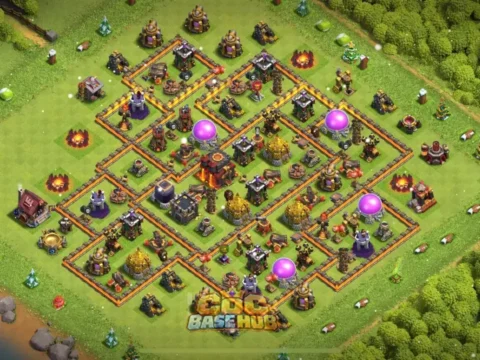
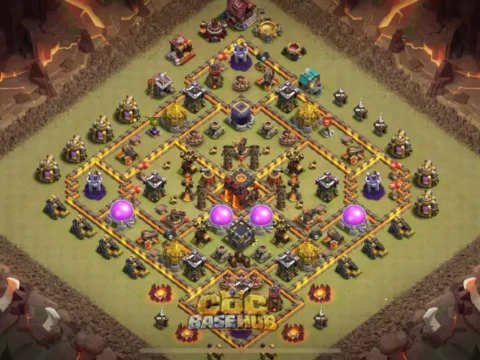
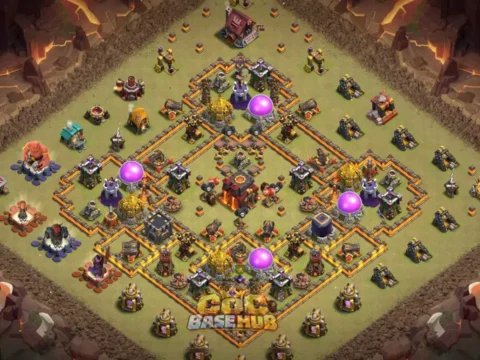
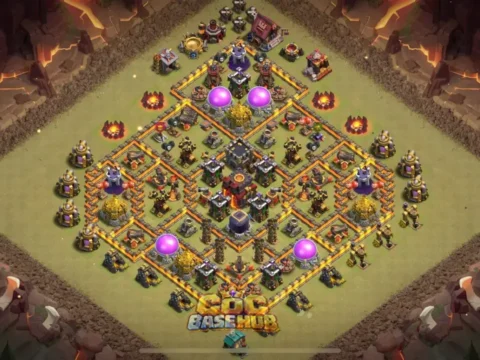
TH10 War Base Anti 2 Star – Funnel Resistance #24 is a Town Hall 10 war base layout shared for players who want a practical starting point for clan war defense. Use the copy layout link to inspect it in Clash of Clans, then adjust buildings and defensive settings to your village. This guide explains how to evaluate the design, which attack patterns to test, and how to make informed changes without promising an unbeatable defense.
What This TH10 Layout Is Designed to Do: TH10 War Base #24
Clash of Clans defenses are situational. The same arrangement can frustrate one army and give another a clear route, so it is more helpful to test specific attack patterns than to rely on an absolute anti-three-star claim. For this TH10 war layout #24, start by asking how to check whether this design belongs in your active war slot or your home village. This question matters because the intended job is preventing a clean three-star attack, not simply arranging defenses in a visually appealing pattern. When a player is preparing for the Clan War or CWL defensive lineup, the balance of defensive coverage, building levels, and troop behavior can change which weaknesses matter most. Focus first on purpose and fit: check the relationship between the outer structures and the high-value interior, and note where an opponent can secure easy progress before encountering the main defenses. A well-informed attacker may select opponent scouting and attack planning; assess whether that plan requires meaningful investment of troops, spells, or time. Keep the conclusion provisional until you have seen several actual replays. A useful checkpoint is to compare the attack cost with the defensive value gained. If an opponent spends a major spell to remove a single building, that may be a reasonable exchange; if one spell disables several important defenses, the arrangement may need another look. For clan war defense, the most useful feedback comes from repeated attacks under similar conditions, not from an isolated screenshot or a dramatic label.
Town Hall and Core Planning: TH10 War Base #24
Treat this as a practical decision rather than a guarantee of defense. A good result depends on how the attacker reads the layout, which army they bring, and whether the buildings and troops match your current upgrade level. For this TH10 war layout #24, start by asking how to observe whether an attacker can reach the Town Hall with a short entry. This question matters because the intended job is preventing a clean three-star attack, not simply arranging defenses in a visually appealing pattern. When a player is preparing for the Clan War or CWL defensive lineup, the balance of defensive coverage, building levels, and troop behavior can change which weaknesses matter most. Focus first on town hall access: check the relationship between the outer structures and the high-value interior, and note where an opponent can secure easy progress before encountering the main defenses. A well-informed attacker may select opponent scouting and attack planning; assess whether that plan requires meaningful investment of troops, spells, or time. Keep the conclusion provisional until you have seen several actual replays. A useful checkpoint is to compare the attack cost with the defensive value gained. If an opponent spends a major spell to remove a single building, that may be a reasonable exchange; if one spell disables several important defenses, the arrangement may need another look. For clan war defense, the most useful feedback comes from repeated attacks under similar conditions, not from an isolated screenshot or a dramatic label.
Inferno Tower Decisions: TH10 War Base #24
At Town Hall 10, a base should be judged by the decisions it forces on the attacker. The most valuable arrangement is not always the most symmetrical one; it is the one that creates a meaningful tradeoff between time, spell usage, and access. For this TH10 war layout #24, start by asking how to watch how tanks and swarms interact with Inferno Tower coverage. This question matters because the intended job is preventing a clean three-star attack, not simply arranging defenses in a visually appealing pattern. When a player is preparing for the Clan War or CWL defensive lineup, the balance of defensive coverage, building levels, and troop behavior can change which weaknesses matter most. Focus first on inferno targeting: check the relationship between the outer structures and the high-value interior, and note where an opponent can secure easy progress before encountering the main defenses. A well-informed attacker may select opponent scouting and attack planning; assess whether that plan requires meaningful investment of troops, spells, or time. Keep the conclusion provisional until you have seen several actual replays. A useful checkpoint is to compare the attack cost with the defensive value gained. If an opponent spends a major spell to remove a single building, that may be a reasonable exchange; if one spell disables several important defenses, the arrangement may need another look. For clan war defense, the most useful feedback comes from repeated attacks under similar conditions, not from an isolated screenshot or a dramatic label.
Air Defense Against Dragons: TH10 War Base #24
Before calling any TH10 design strong, consider what an attacker can accomplish in the first thirty seconds. A simple opening funnel can decide the rest of the raid even when the core appears intimidating. For this TH10 war layout #24, start by asking how to consider Air Sweeper direction and spell support. This question matters because the intended job is preventing a clean three-star attack, not simply arranging defenses in a visually appealing pattern. When a player is preparing for the Clan War or CWL defensive lineup, the balance of defensive coverage, building levels, and troop behavior can change which weaknesses matter most. Focus first on dragon and balloon pressure: check the relationship between the outer structures and the high-value interior, and note where an opponent can secure easy progress before encountering the main defenses. A well-informed attacker may select opponent scouting and attack planning; assess whether that plan requires meaningful investment of troops, spells, or time. Keep the conclusion provisional until you have seen several actual replays. A useful checkpoint is to compare the attack cost with the defensive value gained. If an opponent spends a major spell to remove a single building, that may be a reasonable exchange; if one spell disables several important defenses, the arrangement may need another look. For clan war defense, the most useful feedback comes from repeated attacks under similar conditions, not from an isolated screenshot or a dramatic label.
Ground Defense and Hog Rider Threats: TH10 War Base #24
A useful way to review this layout is to think in layers: outer buildings shape the approach, compartments delay movement, and key defenses punish troops that enter without sufficient support. For this TH10 war layout #24, start by asking how to watch whether ground troops can bypass intended compartments. This question matters because the intended job is preventing a clean three-star attack, not simply arranging defenses in a visually appealing pattern. When a player is preparing for the Clan War or CWL defensive lineup, the balance of defensive coverage, building levels, and troop behavior can change which weaknesses matter most. Focus first on hog rider and ground armies: check the relationship between the outer structures and the high-value interior, and note where an opponent can secure easy progress before encountering the main defenses. A well-informed attacker may select opponent scouting and attack planning; assess whether that plan requires meaningful investment of troops, spells, or time. Keep the conclusion provisional until you have seen several actual replays. A useful checkpoint is to compare the attack cost with the defensive value gained. If an opponent spends a major spell to remove a single building, that may be a reasonable exchange; if one spell disables several important defenses, the arrangement may need another look. For clan war defense, the most useful feedback comes from repeated attacks under similar conditions, not from an isolated screenshot or a dramatic label.
Wall Compartments and Entry Routes: TH10 War Base #24
Clash of Clans defenses are situational. The same arrangement can frustrate one army and give another a clear route, so it is more helpful to test specific attack patterns than to rely on an absolute anti-three-star claim. For this TH10 war layout #24, start by asking how to consider how jumps or wall-breaking units change the path. This question matters because the intended job is preventing a clean three-star attack, not simply arranging defenses in a visually appealing pattern. When a player is preparing for the Clan War or CWL defensive lineup, the balance of defensive coverage, building levels, and troop behavior can change which weaknesses matter most. Focus first on walls and funneling: check the relationship between the outer structures and the high-value interior, and note where an opponent can secure easy progress before encountering the main defenses. A well-informed attacker may select opponent scouting and attack planning; assess whether that plan requires meaningful investment of troops, spells, or time. Keep the conclusion provisional until you have seen several actual replays. A useful checkpoint is to compare the attack cost with the defensive value gained. If an opponent spends a major spell to remove a single building, that may be a reasonable exchange; if one spell disables several important defenses, the arrangement may need another look. For clan war defense, the most useful feedback comes from repeated attacks under similar conditions, not from an isolated screenshot or a dramatic label.
Practical checklist for layout #24
- Check the most accessible defensive targets from two different edges.
- Test the plan against a realistic army rather than an idealized opponent.
- Compare the result with your objective: preventing a clean three-star attack.
- Record one adjustment and test again before replacing the entire layout.
Clan Castle and Defensive Troops: TH10 War Base #24
Treat this as a practical decision rather than a guarantee of defense. A good result depends on how the attacker reads the layout, which army they bring, and whether the buildings and troops match your current upgrade level. For this TH10 war layout #24, start by asking how to verify the defensive Clan Castle radius and its activation points. This question matters because the intended job is preventing a clean three-star attack, not simply arranging defenses in a visually appealing pattern. When a player is preparing for the Clan War or CWL defensive lineup, the balance of defensive coverage, building levels, and troop behavior can change which weaknesses matter most. Focus first on defensive clan castle: check the relationship between the outer structures and the high-value interior, and note where an opponent can secure easy progress before encountering the main defenses. A well-informed attacker may select opponent scouting and attack planning; assess whether that plan requires meaningful investment of troops, spells, or time. Keep the conclusion provisional until you have seen several actual replays. A useful checkpoint is to compare the attack cost with the defensive value gained. If an opponent spends a major spell to remove a single building, that may be a reasonable exchange; if one spell disables several important defenses, the arrangement may need another look. For clan war defense, the most useful feedback comes from repeated attacks under similar conditions, not from an isolated screenshot or a dramatic label.
Trap Placement and Surprise Value: TH10 War Base #24
At Town Hall 10, a base should be judged by the decisions it forces on the attacker. The most valuable arrangement is not always the most symmetrical one; it is the one that creates a meaningful tradeoff between time, spell usage, and access. For this TH10 war layout #24, start by asking how to consider whether a scouting attack reveals the critical trap plan. This question matters because the intended job is preventing a clean three-star attack, not simply arranging defenses in a visually appealing pattern. When a player is preparing for the Clan War or CWL defensive lineup, the balance of defensive coverage, building levels, and troop behavior can change which weaknesses matter most. Focus first on trap management: check the relationship between the outer structures and the high-value interior, and note where an opponent can secure easy progress before encountering the main defenses. A well-informed attacker may select opponent scouting and attack planning; assess whether that plan requires meaningful investment of troops, spells, or time. Keep the conclusion provisional until you have seen several actual replays. A useful checkpoint is to compare the attack cost with the defensive value gained. If an opponent spends a major spell to remove a single building, that may be a reasonable exchange; if one spell disables several important defenses, the arrangement may need another look. For clan war defense, the most useful feedback comes from repeated attacks under similar conditions, not from an isolated screenshot or a dramatic label.
How to Test the Base in Friendly Challenges: TH10 War Base #24
Before calling any TH10 design strong, consider what an attacker can accomplish in the first thirty seconds. A simple opening funnel can decide the rest of the raid even when the core appears intimidating. For this TH10 war layout #24, start by asking how to record stars, destruction percentage, and decisive entry points. This question matters because the intended job is preventing a clean three-star attack, not simply arranging defenses in a visually appealing pattern. When a player is preparing for the Clan War or CWL defensive lineup, the balance of defensive coverage, building levels, and troop behavior can change which weaknesses matter most. Focus first on testing methodology: check the relationship between the outer structures and the high-value interior, and note where an opponent can secure easy progress before encountering the main defenses. A well-informed attacker may select opponent scouting and attack planning; assess whether that plan requires meaningful investment of troops, spells, or time. Keep the conclusion provisional until you have seen several actual replays. A useful checkpoint is to compare the attack cost with the defensive value gained. If an opponent spends a major spell to remove a single building, that may be a reasonable exchange; if one spell disables several important defenses, the arrangement may need another look. For clan war defense, the most useful feedback comes from repeated attacks under similar conditions, not from an isolated screenshot or a dramatic label.
Copying and Installing the Base Link: TH10 War Base #24
A useful way to review this layout is to think in layers: outer buildings shape the approach, compartments delay movement, and key defenses punish troops that enter without sufficient support. For this TH10 war layout #24, start by asking how to confirm the destination layout slot before saving. This question matters because the intended job is preventing a clean three-star attack, not simply arranging defenses in a visually appealing pattern. When a player is preparing for the Clan War or CWL defensive lineup, the balance of defensive coverage, building levels, and troop behavior can change which weaknesses matter most. Focus first on installation: check the relationship between the outer structures and the high-value interior, and note where an opponent can secure easy progress before encountering the main defenses. A well-informed attacker may select opponent scouting and attack planning; assess whether that plan requires meaningful investment of troops, spells, or time. Keep the conclusion provisional until you have seen several actual replays. A useful checkpoint is to compare the attack cost with the defensive value gained. If an opponent spends a major spell to remove a single building, that may be a reasonable exchange; if one spell disables several important defenses, the arrangement may need another look. For clan war defense, the most useful feedback comes from repeated attacks under similar conditions, not from an isolated screenshot or a dramatic label.
Frequently Asked Questions: TH10 War Base #24
Clash of Clans defenses are situational. The same arrangement can frustrate one army and give another a clear route, so it is more helpful to test specific attack patterns than to rely on an absolute anti-three-star claim. For this TH10 war layout #24, start by asking how to decide whether the design suits your current objective. This question matters because the intended job is preventing a clean three-star attack, not simply arranging defenses in a visually appealing pattern. When a player is preparing for the Clan War or CWL defensive lineup, the balance of defensive coverage, building levels, and troop behavior can change which weaknesses matter most. Focus first on faq: check the relationship between the outer structures and the high-value interior, and note where an opponent can secure easy progress before encountering the main defenses. A well-informed attacker may select opponent scouting and attack planning; assess whether that plan requires meaningful investment of troops, spells, or time. Keep the conclusion provisional until you have seen several actual replays. A useful checkpoint is to compare the attack cost with the defensive value gained. If an opponent spends a major spell to remove a single building, that may be a reasonable exchange; if one spell disables several important defenses, the arrangement may need another look. For clan war defense, the most useful feedback comes from repeated attacks under similar conditions, not from an isolated screenshot or a dramatic label.
Is this TH10 war base guaranteed to stop a three-star attack?
No. Outcomes depend on the opponent, their troops and spells, your upgrades, defensive settings, and execution. Use the copy link and test the layout before relying on it for an important defense.
Can I use this TH10 base in the Clan War or CWL defensive lineup?
Yes, if its goals match your needs and you have the necessary buildings. Review the layout slot, defensive troops, and any needed adjustments after importing it.
Copy TH10 War Base #24
Use the provided Clash of Clans copy base link to load this TH10 layout. The image and link are provided as references; verify the in-game Town Hall level and building availability before using the layout. Browse more Town Hall 10 base layouts on COC Base Hub to compare clan war defense approaches.