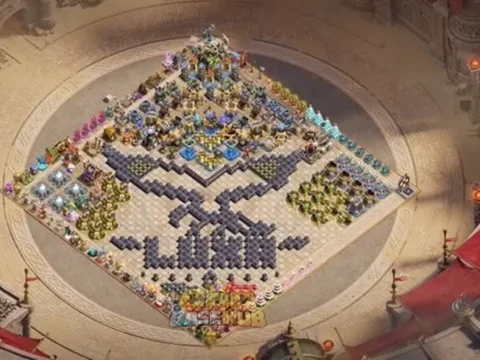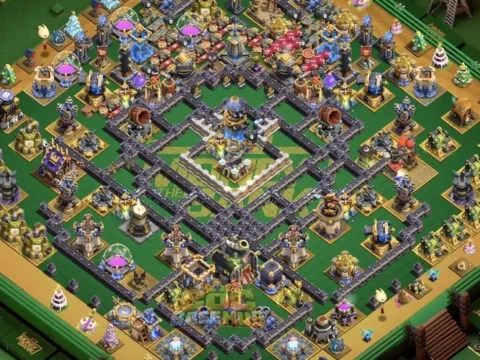
TH19 Trophy Base Anti 2 Star – Pressure-Focused Layout for Competitive Defenses #2New
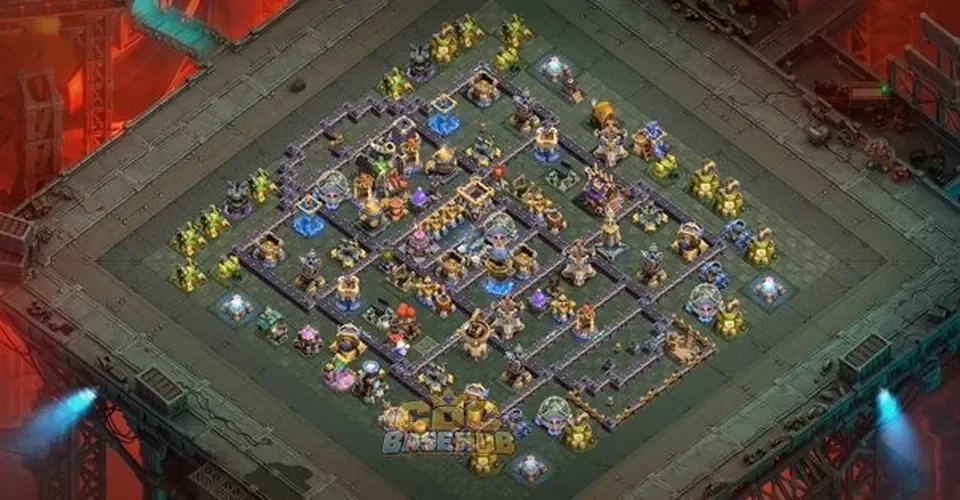
TH19 Trophy Base Anti 2 Star – Pressure-Focused Layout for Competitive Defenses #2
Looking for a Town Hall 19 trophy base that gives you a useful starting point for multiplayer trophy defense? This COC Base Hub entry shares a TH19 layout copy link and an evaluation guide centered on complicating hero commitment. The layout is presented for players who want to try a new defense, examine its performance, and make decisions from actual replays instead of relying on exaggerated claims.
The label Anti 2 Star describes the intended role of this entry. It does not certify that every attack will fail. Because the arrangement has not been independently audited building by building, this guide focuses on what you can inspect in-game, how to compare likely entry routes, and which observations matter for protecting stars and trophies. You can import the base, run tests, and decide whether it suits your own defense history.
Spell Efficiency
For this TH19 trophy base #2, approach the question through complicating hero commitment. Spells can turn an apparently difficult entry into a predictable one. During replay review, note where attackers receive unusually high value from one spell placement. Repeatedly successful spell locations can reveal a structural weakness that is easy to miss in a still image. Compare several attempts rather than changing the base after one unusual replay. In the context of multiplayer trophy defense, the useful result is not a promise of perfect protection; it is a clearer understanding of what the attacker must spend to reach their objective.
Compare the performance of the same layout across different attacking armies before drawing a conclusion. In particular, imagine a ladder opponent choosing an efficient raid and ask what they would do after their first plan meets resistance. The answer helps you judge whether the defensive pressure is sustained or merely delays the first engagement.
Keeping the layout practical: The best layout for a player is one they can import, understand, and monitor. Avoid changing multiple elements at once after a bad replay, because that makes it difficult to know which change helped. Compare results in similar conditions. Keep the outcome in your trophy defense log so that the next comparison is based on evidence rather than memory. This gives this section a practical role when deciding whether to keep this layout or try another.
Scouting From the Attacker Perspective
For this TH19 trophy base #2, approach the question through complicating hero commitment. Pretend you are planning an attack against your own village. Which side looks simplest? Where can a funnel be created cheaply? Which objective is hardest to reach without overcommitting? This exercise is especially useful when choosing between several copied bases. The best option for your account is the one that fits the opponents and attack styles you actually encounter. In the context of multiplayer trophy defense, the useful result is not a promise of perfect protection; it is a clearer understanding of what the attacker must spend to reach their objective.
Review whether late-game cleanup requires backtracking. Time-consuming travel can matter in close defenses. In particular, imagine a ladder opponent choosing an efficient raid and ask what they would do after their first plan meets resistance. The answer helps you judge whether the defensive pressure is sustained or merely delays the first engagement.
Understanding the funnel: The first buildings removed can shape where the main army travels. During review, follow the path created by the funnel rather than focusing only on the final damage number. An apparently small opening may be decisive. Keep the outcome in your trophy defense log so that the next comparison is based on evidence rather than memory. This gives this section a practical role when deciding whether to keep this layout or try another.
Ground Pathing Questions
For this TH19 trophy base #2, approach the question through complicating hero commitment. For ground armies, pay attention to compartment transitions and whether troops can be pulled away from intended targets. Wall layout matters, but it is not enough to count walls or compartments. Examine possible openings, jump or wall-breaking routes, and how a hero walk could influence troop direction. A practical test is to sketch two plausible ground entries and compare which one demands fewer supporting spells. In the context of multiplayer trophy defense, the useful result is not a promise of perfect protection; it is a clearer understanding of what the attacker must spend to reach their objective.
Compare a conservative entry with an aggressive direct push. A layout may resist one approach while exposing weaknesses to the other. In particular, imagine a ladder opponent choosing an efficient raid and ask what they would do after their first plan meets resistance. The answer helps you judge whether the defensive pressure is sustained or merely delays the first engagement.
The opening decision: Map the two most plausible deployment edges and predict which one gives the attacker a faster path to an objective. Then compare that prediction with real replays. This turns a visual impression into something you can test. Keep the outcome in your trophy defense log so that the next comparison is based on evidence rather than memory. This gives this section a practical role when deciding whether to keep this layout or try another.
Hero Value and Entry Points
For this TH19 trophy base #2, approach the question through complicating hero commitment. Heroes can remove defenses, create a funnel, or secure a crucial objective. Evaluate what a single hero commitment might gain from each side. A promising defensive design does not necessarily stop heroes completely; it may force a costly choice between gaining percentage and opening a safe route for the main army. Record which side produces the largest payoff in your tests. In the context of multiplayer trophy defense, the useful result is not a promise of perfect protection; it is a clearer understanding of what the attacker must spend to reach their objective.
Consider the relationship between percentage gained and time spent. Some attacks earn early percentage quickly but struggle to complete the base. In particular, imagine a ladder opponent choosing an efficient raid and ask what they would do after their first plan meets resistance. The answer helps you judge whether the defensive pressure is sustained or merely delays the first engagement.
Learning from a failed defense: A failed defense can still reveal a useful strength. Perhaps the attacker needed more spells than expected or reached the Town Hall later than planned. Record the meaningful resistance and the exact point where the attack gained momentum. Keep the outcome in your trophy defense log so that the next comparison is based on evidence rather than memory. This gives this section a practical role when deciding whether to keep this layout or try another.
Reading the Layout Before Copying
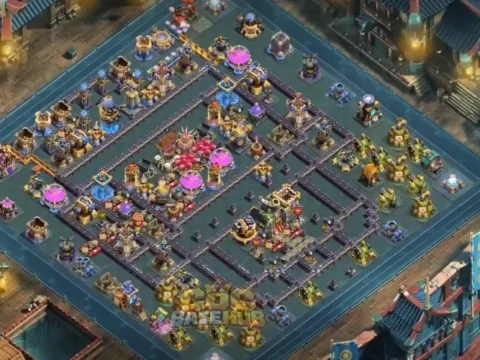
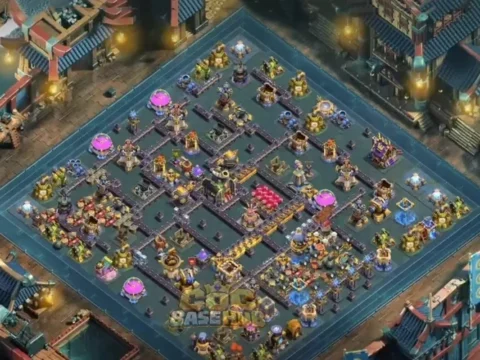
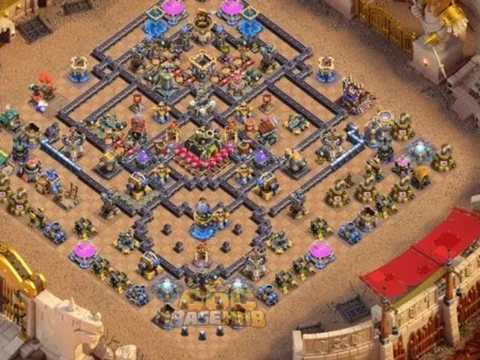
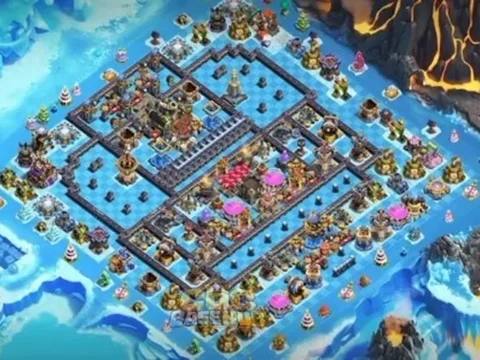
For this TH19 trophy base #2, approach the question through complicating hero commitment. Start by identifying the Town Hall, the likely high-value defensive zones, and the routes troops might take between them. A screenshot is a useful starting point, but a copy link is the only reliable way to inspect the actual arrangement in your village. Look for whether one deployment edge gives easy access to several objectives at once. Then inspect the opposite edge and ask whether the attacker can create a cleaner funnel there. This two-sided reading avoids judging a design from a single attractive angle. In the context of multiplayer trophy defense, the useful result is not a promise of perfect protection; it is a clearer understanding of what the attacker must spend to reach their objective.
Assess what the opponent can learn from the first visible compartments. The clearest-looking route is not always the cheapest route in spells. In particular, imagine a ladder opponent choosing an efficient raid and ask what they would do after their first plan meets resistance. The answer helps you judge whether the defensive pressure is sustained or merely delays the first engagement.
Evaluating star objectives: Not every attacker has the same objective. Some seek safe stars, while others attempt a high-risk complete clear. Think about how the design affects both choices and whether it forces an opponent to abandon one goal for the other. Keep the outcome in your trophy defense log so that the next comparison is based on evidence rather than memory. This gives this section a practical role when deciding whether to keep this layout or try another.
Time and Cleanup
For this TH19 trophy base #2, approach the question through complicating hero commitment. A defense can create problems even after the main objectives are destroyed. Look at how much time the attacker has left when the final phase begins and whether remaining structures require long travel. Time pressure is most meaningful when it follows genuine resistance, not simply a scattered arrangement that sacrifices too much early value. Test with normal army compositions rather than relying on a single failed cleanup. In the context of multiplayer trophy defense, the useful result is not a promise of perfect protection; it is a clearer understanding of what the attacker must spend to reach their objective.
Use three recent replays to distinguish repeated structural issues from a one-off mistake by the attacker. In particular, imagine a ladder opponent choosing an efficient raid and ask what they would do after their first plan meets resistance. The answer helps you judge whether the defensive pressure is sustained or merely delays the first engagement.
Making a fair comparison: Compare this layout with another TH19 design under similar conditions. The opponent strength, army choice, and execution matter. A small set of controlled observations is more useful than ranking bases from screenshots alone. Keep the outcome in your trophy defense log so that the next comparison is based on evidence rather than memory. This gives this section a practical role when deciding whether to keep this layout or try another.
Replay-Based Improvement
For this TH19 trophy base #2, approach the question through complicating hero commitment. After each defense, write down the army used, entry side, first major objective taken, spell timing, and the final result. Look for repeated patterns across multiple attacks. A single three-star result does not prove a base is poor, just as one successful hold does not prove it is unbeatable. Use repeatable observations to decide whether to retain, rotate, or replace the design. In the context of multiplayer trophy defense, the useful result is not a promise of perfect protection; it is a clearer understanding of what the attacker must spend to reach their objective.
Record which defensive objective survives longest. Survival alone is not enough; its remaining value in the attack is what matters. In particular, imagine a ladder opponent choosing an efficient raid and ask what they would do after their first plan meets resistance. The answer helps you judge whether the defensive pressure is sustained or merely delays the first engagement.
Planning against common army styles: Do not assume that a single army defines the whole defensive environment. Evaluate at least one ground-oriented plan, one air-oriented plan, and one hero-led entry. If the same weak side appears in all three, that is more useful evidence than a single unlucky defense. Keep the outcome in your trophy defense log so that the next comparison is based on evidence rather than memory. This gives this section a practical role when deciding whether to keep this layout or try another.
Copy Link and Setup Checklist
For this TH19 trophy base #2, approach the question through complicating hero commitment. Use the Clash of Clans layout link provided with this entry on COC Base Hub. Open it on a device with the game installed, select the appropriate village layout slot, and inspect the imported arrangement before activating it. Confirm that the link points to Town Hall 19 and that the game accepts the design. If a link does not open, check the browser-to-game handoff rather than manually changing the encoded URL. In the context of multiplayer trophy defense, the useful result is not a promise of perfect protection; it is a clearer understanding of what the attacker must spend to reach their objective.
Examine whether one spell can cover several important defenses. Efficient spell trades are often more revealing than raw damage totals. In particular, imagine a ladder opponent choosing an efficient raid and ask what they would do after their first plan meets resistance. The answer helps you judge whether the defensive pressure is sustained or merely delays the first engagement.
Using defensive logs: Separate outcomes by attack style and entry side. A base that performs reasonably against several approaches may be preferable to one that excels against a single narrow strategy. Use the same observation categories each time. Keep the outcome in your trophy defense log so that the next comparison is based on evidence rather than memory. This gives this section a practical role when deciding whether to keep this layout or try another.
What This Base Can and Cannot Promise
For this TH19 trophy base #2, approach the question through complicating hero commitment. No base is guaranteed to stop every opponent. Army levels, equipment, player execution, spell placement, and scouting can all change the outcome. Treat labels such as anti-three-star or anti-two-star as the intended defensive goal, not a verified success rate. The most trustworthy assessment comes from your own defensive logs and replays. In the context of multiplayer trophy defense, the useful result is not a promise of perfect protection; it is a clearer understanding of what the attacker must spend to reach their objective.
Identify the most attractive edge for a Queen or hero-based opening, then test whether it truly provides a clean continuation. In particular, imagine a ladder opponent choosing an efficient raid and ask what they would do after their first plan meets resistance. The answer helps you judge whether the defensive pressure is sustained or merely delays the first engagement.
Reviewing the final phase: Check the last remaining defenses and structures in close attacks. Ask whether they contributed meaningful pressure or simply survived because of a mistake. This helps separate intentional defensive value from chance. Keep the outcome in your trophy defense log so that the next comparison is based on evidence rather than memory. This gives this section a practical role when deciding whether to keep this layout or try another.
How to Copy This TH19 Base Layout
- Use the Copy Base link associated with this TH19 entry.
- Allow Clash of Clans to open and choose an available village layout slot.
- Inspect the imported layout before activating it, especially if you maintain separate war and home layouts.
- Test it with suitable attacks and check defensive replays before judging results.
To explore more layouts, visit COC Base Hub. You can also compare ideas from the TH18 anti-three-star war base example, while remembering that a TH18 layout is not a substitute for a TH19 design.
Frequently Asked Questions About This TH19 Trophy Base
Is this base guaranteed to prevent three stars?
No. A copied layout does not guarantee a result against every army or player. Test it against the attacks you actually face and evaluate patterns across several replays.
Can I use this design outside its main category?
You can experiment, but its listed purpose is multiplayer trophy defense. A layout that is useful in one setting may prioritize different outcomes than another mode.
Why does the copy link matter?
The link allows you to import the arrangement in Clash of Clans rather than reconstructing it from a screenshot. Check the imported village before using it competitively.
How should I decide whether to keep it?
Review your trophy defense log, the opponents you faced, and whether repeated attacks exploited the same entry route. A few relevant replays provide a better basis for judgment than an isolated defense.
Final assessment: TH19 trophy base #2 is best treated as a layout to copy, test, and compare. Its main editorial focus is complicating hero commitment, with special attention to protecting stars and trophies. Use the import link, inspect the actual placement, and let replay evidence determine whether it belongs in your rotation.